Professional Laser Tattoo Removal in London: Advanced Treatment Options

Deciding to do a Laser Tattoo Removal in London often comes after considerable reflection and maybe even regrets and regrets, as well as a sense of accomplishment. Some people want to get rid of an old tattoo design completely from their skin while others need to only fade part of it in preparation for a cover-up. In any case, it is very crucial to choose the correct removal method which not only determines the results but also protects your skin health.

In terms of laser tattoo removal, London is a good option as it provides a non-surgical way which is developed to crush pigment while keeping the skin around the tattoo completely intact.
Laser Tattoo Removal is covered in this article together with an information sheet about the factors that will influence your results and also what your treatment experience is to be like.
What Is Laser Tattoo Removal?
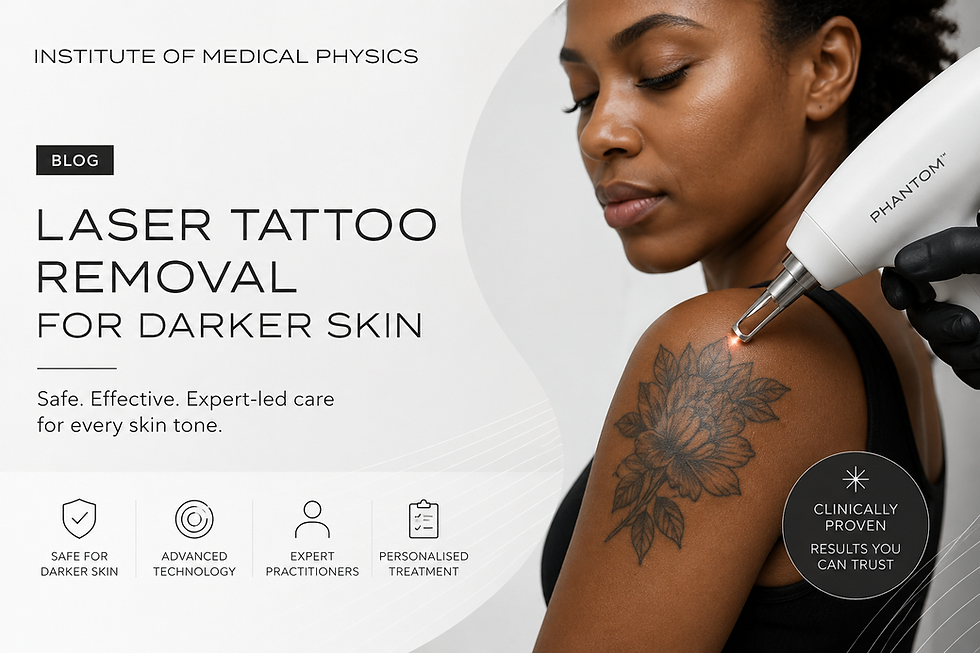
Laser tattoo removal is a medical procedure where focused laser energy is used to target tattoo pigments underneath the skin. The laser emits short beams of light that are taken up by the ink particles without intending to harm the adjacent tissues.
After the pigment has broken into smaller fragments, the immune system starts getting rid of them gradually in its own processes. As it takes the body a lot of time to get all the pigment particles removed, several sessions in the clinic are usually necessary.
The number of sessions is not the least dependant on tattoo size, the colours of ink used, ink's depth in the skin, how old the tattoo is, the person's skin type, and the healing capacity of that person's skin after the treatment.
A professional pre-treatment assessment can tailor the treatment to an individual's situation.
How Laser Tattoo Removal Works
Most new laser machines will have the ability to distinguish between different pigment colours using suitable laser wavelengths. As far as the procedure goes, very short pulses of laser beam go all the way through the skin and eventually make contact with the tattoo pigment.
Instead of directly picking off the ink, the laser breaks down or shatters the colour into very small pieces which would look like tiny dust particles. The human body's waste removal system (lymphatic system) will then slowly pick these particles up and dispose of them through its various waste channels.
Laser sessions are arranged in a time-effective manner which allows proper rest for the skin while pigment removal is going on its own way.
Laser Tattoo Removal vs Other Tattoo Removal Methods
Feature/Factor | Laser Tattoo Removal | Surgical Excision |
Treatment approach | Breaks down ink using laser energy | Removes tattooed skin surgically |
Suitable for | Small and large tattoos | Mostly small tattoos |
Scarring risk | Lower when appropriately performed | Higher due to surgery |
Multiple sessions | Usually required | Generally completed in one procedure |
Recovery | Recovery between treatment sessions | Surgical wound healing required |
Laser treatment is often preferred because it targets tattoo pigment without removing healthy skin.
What Makes Laser Tattoo Removal Effective?
Advanced laser technology
Medical lasers used today for tattoo removal are advanced to the level where they can deliver precise amounts of energy to the specific color particles of a tattoo without affecting the surrounding tissues. The laser energy is able to target the individual tattoo colours and break them up so the body gradually gets rid of them. The laser beam is very controlled and concentrated to hit only the tattoo pigments in the skin and minimize the risk of damage to healthy skin tissue.
Individual treatment planning
Each tattoo will not necessarily need the same number of treatments or the same amount of laser energy. Your skin colour, type and condition, the depth and colour of the tattoos, which part of your body is affected by the tattoo, how old the tattoos are, etc., are all taken into consideration to decide the optimal treatment plan for your tattoos.
Several treatment sessions
Laser Tattoo Removal in London is not a one-time procedure. It may take several sessions to break down all the ink particles thoroughly and for the skin to clear up completely as different pigments take time to heal and some tattoo colours (especially the black ink) are tougher to remove.
Professional opinion and suitability
Laser treatment is one of the most effective ways to remove permanent tattoos, especially those done by a professional. However, the best results are obtained when the laser is properly handled by a skilled practitioner and used on a suitable tattoo. Your consultation is therefore essential to know how many sessions and at what intervals you will need before your tattoo(s) is/are completely gone.
After-treatment care
After the laser treatment, you will be given specific care instructions. These might include things like using particular types of skin ointments, keeping the skin dry, and avoiding excessive exposure to the sun for some time as this can lead to complications such as skin irritation and uneven color. Following the post-treatment guidelines will give you the very best chances of getting your tattoo gone with no scarring and at the same time keeping your skin healthy.
What Happens During Treatment?
Laser tattoo removal usually begins with an assessment of the tattoo and skin.
During treatment:
The treatment area is cleaned.
Protective eyewear is provided.
The laser is applied in controlled pulses across the tattoo.
The treated area is cooled if required.
Aftercare instructions are provided before leaving the clinic.
Each session length depends on the size and complexity of the tattoo.
Factors That Influence Results
No two tattoos respond in exactly the same way.
Several factors influence treatment outcomes, including:
Professional versus amateur tattoos
Black versus coloured inks
Tattoo location
Depth of pigment
Age of the tattoo
Individual immune response
Overall skin condition
These factors help determine the expected number of treatment sessions.
Treatment Planning and Appointments
In most cases, laser Tattoo Removal in London involves more than one session instead of a single appointment.
Going to these appointments will help the skin heal and give you the results that you want.
As your tattoo changes, your treatment should change accordingly, so a discussion with the clinic during consultation will let you know what sort of treatment interval period to expect and also give updates on progress, so any plan revisions can be discussed in this consultation as well.
Caring After the Procedure
After the laser treatment, proper cleaning of the wound, keeping it covered with a dressing, and following general post-treatment recommendations greatly contributes to skin healing and minimizing side effects.
Clean and keep the treated area dry.
Follow your practitioner's aftercare instructions.
Don't pick at or scratch the treated skin.
Do not expose the area to intense sunlight.
Revisit the clinic at the suggested time for the next treatment.
If there is any problem during the healing period, the clinic should be contacted immediately.
Conclusion
Laser tattoo removal offers a safe, non-surgical solution for reducing or completely removing unwanted tattoos while preserving the surrounding skin. Since every tattoo is different, factors such as ink colour, depth, size, skin type, and healing response all influence the treatment plan and results. A professional consultation helps set realistic expectations and ensures your treatment is tailored to your individual needs. By following the recommended treatment schedule and aftercare advice, you can maximise your chances of achieving clearer skin with minimal risk of complications.
Ready to Begin Your Tattoo Removal Journey?
If you're considering Laser Tattoo Removal in London, trust the experienced team at the Institute of Medical Physics. Our specialists provide personalised consultations, advanced laser technology, and tailored treatment plans designed to help you achieve the best possible results safely and effectively.
Book your consultation with the Institute of Medical Physics today and take the first step towards clearer, tattoo-free skin.
Frequently Asked Questions
How many lasering sessions do I need to get rid of a tattoo?
The number of sessions will generally be determined by size, colour, age, and depth of the tattoo, and also by your body's reaction to the treatment. A professional advice session would give you a more accurate estimate of the time and money required.
Can tattoo laser removal be done for inks of all colors?
A given color may be treated differently by a laser. Today's tattoo removal laser machines are capable of handling different pigment colours although some colors might require extra sessions. It is recommended that each tattoo owner have a personal evaluation done.
Can Laser Tattoo Removal in London be done on old tattoos?
Besides the fact that you might have had your tattoos for quite a long time, they could also be faded quite a bit already as the pigment fades naturally over time.
How long after a session can I have another one?
You should wait some time between sessions so your body can recover and take out the broken-down pigment.
Is it possible to remove only a small section or part of the tattoo?
If that is what you want, then you can go ahead with covering the remaining parts with another design after tattoo removal, especially if only small areas were tattooed or the old picture got damaged somehow, the removal process might be quite complicated and time consuming, however if you are still interested in getting some of the tattoo removed at least partially, the best thing you can do is talk with your specialist about it, probably during the first consultation.
What is the best way I can take care of my skin after laser tattoo removal?
If you are serious about removing your tattoo entirely or getting only a few tattoos erased by the laser, besides the main part, it is good that you find out in advance what your post-care instructions will cover. After all, taking good care of the treated parts is essential in order to prevent scarring, keep skin nice as the rest, and most important, not to cause any permanent damage that you would be unable to cover up even with the most beautiful tattoo design.
Comments