The Ultimate Guide to Hiring Commercial Plumbers in Sydney


Is a blocked sewer line threatening to close down your Sydney office, cafe or warehouse today? One plumbing disaster can lead to the loss of customers, stock, and compliance. If you are looking for the best commercial plumbing services in Sydney, this article will teach you what to look for, what to ask and what to avoid. You will know how to hire the best first time.
What Makes Commercial Plumbing Different From Residential Plumbing
Commercial plumbing is a speciality of its own. It deals with large, complex systems designed to handle high usage and multiple stories, as well as meeting trade waste requirements. Your commercial building needs commercial-grade piping, backflow prevention devices, thermostatic mixing valves, pumps, grease traps and hot water systems and failure to maintain these can affect not only your business but also your staff, customers and other nearby businesses.
This is why Sydney businesses need plumbers with knowledge in strata coordination, Sydney Water regulations and after-hours work. Residential plumbing experience is not adequate for commercial jobs.
Key Credentials To Check Before You Hire
Never hire on price alone. Credentials protect your business from fines, damage and rework. Here is what matters in NSW as of August 2026.
Licence, Insurance And Verifiable Experience
Ask for a valid NSW Fair Trading plumbing licence and confirm it on the NSW Government licence check portal. Insurance should cover public liability. Ask for 10+ years of commercial experience, case studies and 5-star reviews. A licensed team will be able to supply a certificate of compliance for regulated works.
Backflow Prevention And TMV Accreditation For Compliance
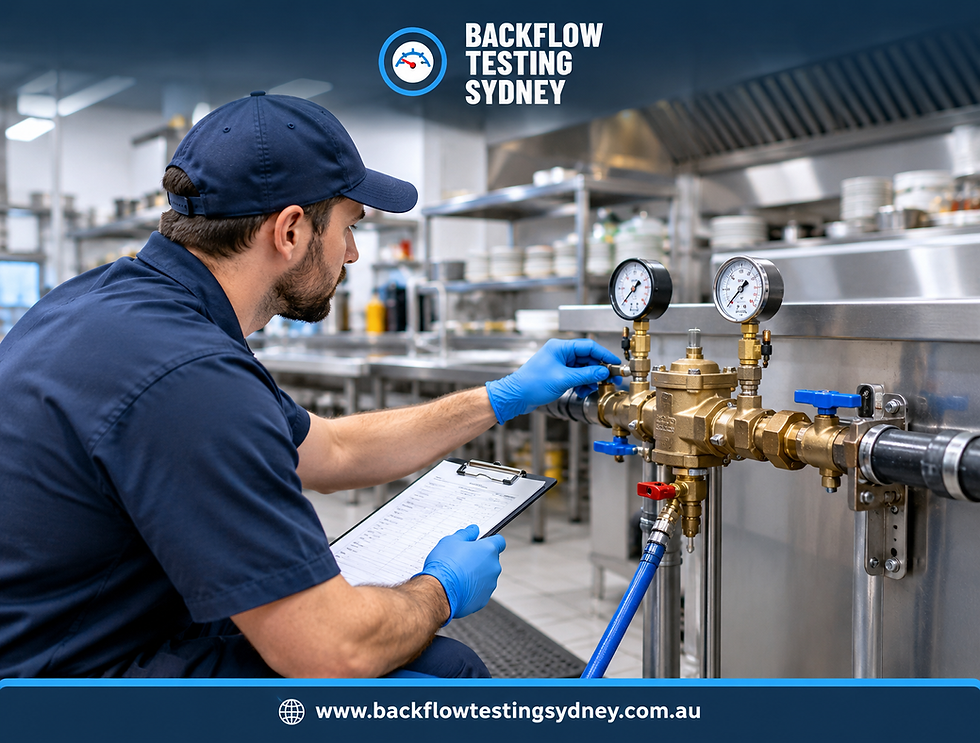
Most Sydney commercial and strata properties require annual backflow testing. It is a legal requirement according to the Plumbing Code of Australia and Sydney Water regulations. Thermostatic mixing valve testing is a statutory requirement for childcare, aged care, medical and hospitality sites.
Your plumber will need to be appropriately licensed for backflow and TMV testing, certification and reporting.
Why Best Commercial Plumbing Services Focus On Rapid Response And Advanced Diagnostics
Top commercial service providers don’t guess. They utilise technology to diagnose and respond swiftly to any issues.
Emergency Availability And Strata Coordination
Plumbing emergencies don't occur only during business hours and require an emergency plumbing service that is available 24/7, not just a phone answering service. Ask what time frame they can usually respond within Metro Sydney.
For strata and retail, your plumber needs to be able to deal with building managers, report incidents and liaise on any works required. It's just as much about communication as it is about technical ability.
CCTV Inspection, Jet Blasting And Pipe Relining
Modern diagnostics save you from excavating your floors. CCTV drain inspection allows us to identify the exact problem, whether it be root intrusion, fat buildup or pipe collapse.
High-pressure jetting will clear your drains of any blockage without the need for chemicals. Pipes can be relined from the inside, which often means a long-term fix with no excavation required. This helps to keep your business running smoothly.
How To Vet Quotes, Contracts And Ongoing Maintenance
A seemingly inexpensive quote may turn out to be a costly one due to the lack of required documentation, cleanup, and warranty. Use the checklist to evaluate the situation properly.
Transparent Pricing And Detailed Scope Of Work
Insist on $0 call-out fee clarity, upfront fixed pricing and no hidden charges. The quote should list scope, materials, labour, compliance lodgement and warranty terms in writing.
Get everything in writing before work starts. A proper contract protects both parties and sets timelines, access and safety requirements.
Preventive Maintenance Plans That Save Money
The best approach to any commercial investment is prevention. Make sure to conduct quarterly or biannual maintenance for high-use facilities such as restaurants and gyms.
A proper maintenance plan would entail drain cleaning, leak detection, hot water servicing, backflow testing reminders, and asset reporting. This will prevent expensive shutdowns and last longer.
Ending Remarks
Hiring a commercial plumber in Sydney usually depends on several criteria, including licence, accredited skills, fast response, and diagnostic accuracy. However, it is essential to ensure that the commercial plumber hired has the appropriate accreditation, quotes are transparent, and proper compliance reports are provided.
For businesses that desire reliability, the best commercial plumbing services in Sydney entail a combination of technical competence, accountability, and transparency. Thus, professional experience is critical when looking for the best commercial plumbing services in Sydney.
If you need a reliable Sydney team, Emergency Drains can provide licensed commercial plumbing, 24-hour emergency service, and a complimentary inspection and pipe relining with a workmanship guarantee.
Frequently Asked Questions
How Much Do Commercial Plumbing Services Cost In Sydney?
Costs are determined based on scale, materials, access, and whether it needs to be done as an emergency or not. The simple unclogging of a drain usually begins at a lower price, whereas a complete plant replacement or relining will obviously cost more. Always ask for three separate written quotes.
What Licence Should A Commercial Plumber In Sydney Hold?
They will need to have an up-to-date NSW plumbing licence, plus accreditation for backflow prevention and TMV testing if applicable. They must also have public liability insurance and be able to provide you with compliance certificates.
How Often Should Commercial Drains Be Serviced?
If the commercial establishment is a restaurant or cafe, servicing every 3-6 months is standard. For offices and other retail shops, every 12 months is adequate. However, if there are trees nearby the drains, root inspections may be necessary more often than that.


Comments