The Difference Between a Cheap Impact Wrench and a Workshop-Grade One

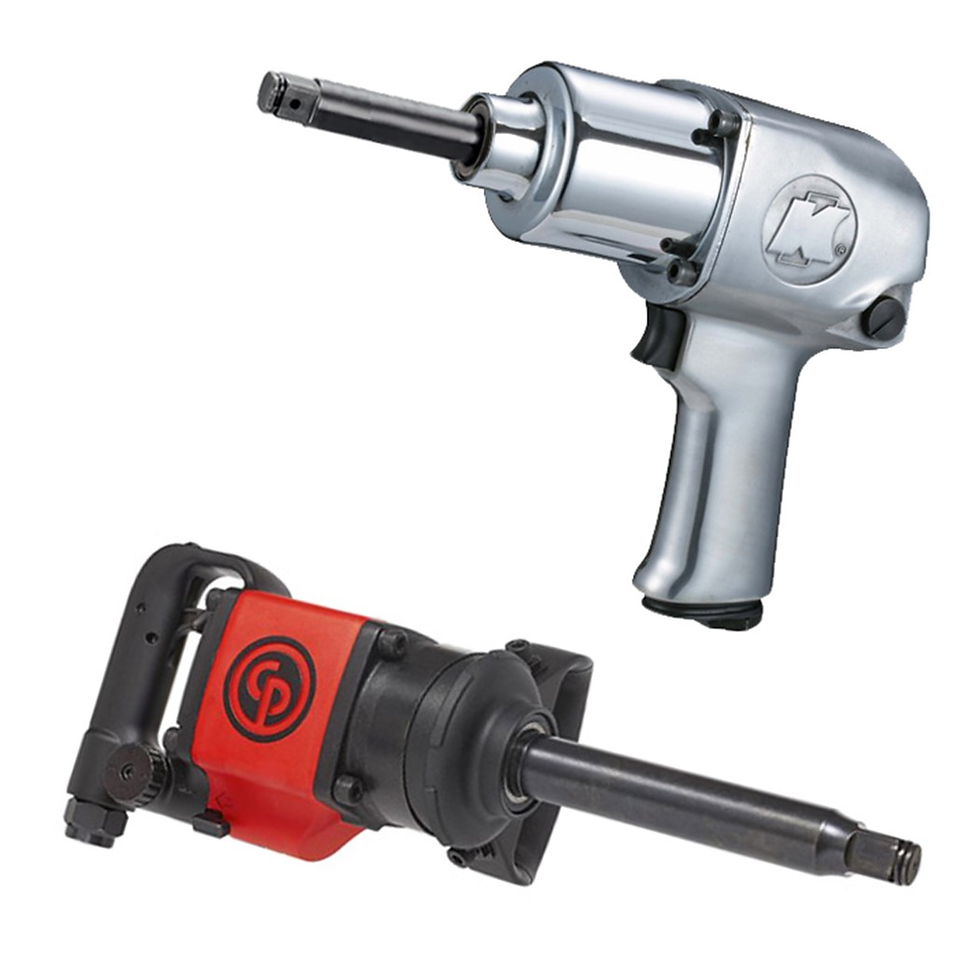
A cheap tool and a professional impact wrench don't just look different. They perform different jobs. One saves you money today and costs you more next month. The other costs more upfront but keeps your bay moving without breakdowns or safety scares.
Workshops don't fail because of one bad day. They fail because of small problems that repeat. A weak tool is one of those problems, and it shows up in torque, in time, and in technician safety.
What Actually Separates a Cheap Tool from a Workshop-Grade One?
A workshop-grade wrench is built with reinforced internals and a twin-hammer mechanism. It holds steady torque output even after hundreds of uses a week. A cheap tool is a wrench built to a price point, not a workload.
Put simply, a professional impact wrench is a tool built to work every day without losing power. A cheap one is built to work sometimes.
How Does Torque Loss Slow Down Your Bay?
Torque loss shows up the moment a tool can't break a frozen lug nut or a stuck commercial rim fastener. That single stuck fastener stalls your technician and backs up the whole bay.
Here's what that looks like in practice.
[ Budget Tool Attempt ] then Instant Torque Drop then Stuck Fastener then Technician Stalls then Bay Bottleneck
[ Industrial Grade ] then Twin Hammer Shock then Instant Breakaway then Fast Service Cycle then High Throughput
One path wastes minutes on every car. The other doesn't.
Why Under Torquing and Over Torquing Both Happen with Cheap Tools
Budget tools use cheap pressure regulators. That means power delivery isn't steady. It jumps around.
Under torqued lug nuts are a real safety risk on the road.
Over torqued nuts stretch studs and strip wheel threads.
Neither outcome is acceptable in a paid service.
Why Air Consumption Efficiency Matters More Than People Think
An air impact wrench built for commercial use has a high efficiency air motor. It gets more torque out of less compressed air. That means less strain on your compressor and lower running costs across a full day of jobs.
Why Do Ergonomics Decide How Long a Technician Can Work?
A poorly built tool hurts the person using it before it hurts your bottom line. Vibration and noise are not small issues. They add up over years of daily use.
What Is Hand Arm Vibration Syndrome?
Hand-arm vibration syndrome is nerve damage caused by long-term exposure to vibrating tools. It's permanent once it sets in. A well-built impact wrench uses isolated motor mounts and shaped grips so vibration doesn't travel straight into the wrist.
How Noise Reduction Actually Works
Commercial tools use multi-stage internal mufflers. These cut down the noise a tool makes without blocking exhaust airflow. That keeps the tool powerful and keeps the workshop within safe noise limits under work health rules.
What Is the Right Maintenance Routine for a Commercial Impact Wrench?
A wrench only stays strong if someone looks after it. Skipping maintenance is the fastest way to turn a good tool into a bad one.
Oil the air inlet every morning before the shift starts. Three to five drops of pneumatic tool oil stop rust building up from moisture in the air line.
Grease the hammer mechanism every 40 hours of use. This stops metal-on-metal friction inside the clutch housing.
Check the drive anvil and retaining ring for wear each week. A worn ring lets sockets slip off mid-job, which is dangerous.
Check your air pressure daily. Most tools need 90 PSI or about 6.2 bar to run properly. Drain moisture traps so water doesn't get into the motor.
Follow these four steps and a good tool can run for years, not months.
Cheap vs Workshop Grade at a Glance
Torque output. Unstable in cheap tools, steady in workshop-grade tools.
Lifespan. Months for cheap tools, years for workshop-grade tools.
Vibration exposure. High in cheap tools, isolated in workshop-grade tools.
Running cost. It looks low at first but adds up fast with cheap tools.
Where Should Australian Workshops Source Reliable Equipment?
Buying from a general hardware store might feel easier, but it usually means no technical support and inconsistent stock. A dedicated industrial supplier gives you genuine parts and people who actually know the tools.
When you're building out your bay with proper workshop tools Australia-wide, it pays to compare specs closely instead of chasing the cheapest listing. Suppliers such as Rema Tip Top are among the options workshops can look at for professional-grade impact wrenches and related fitting equipment, alongside other established industrial suppliers.
Before you buy your next impact wrench, check the torque rating, the air consumption, and the warranty terms side by side. That one habit saves workshops from repeat purchases and unplanned downtime.
FAQs
What is a professional impact wrench?
It's a pneumatic or cordless tool built with reinforced internals for daily commercial use. It holds consistent torque instead of dropping off after heavy use.
Why does a cheap impact wrench lose power over time?
Cheap internal parts wear down fast under daily load. The pressure regulator can't hold steady output, so torque drops.
How often should a workshop impact wrench be maintained?
Oil it daily before each shift. Grease the hammer mechanism every 40 hours. Check the anvil and retaining ring weekly.
Is an air impact wrench better than a cordless one for commercial use?
Air tools usually deliver more consistent torque for heavy daily use, while cordless tools offer more mobility. The right pick depends on your bay setup and how often the tool runs each day.


Comments